Focus on the environment Part 2: Understanding the aquatic environment
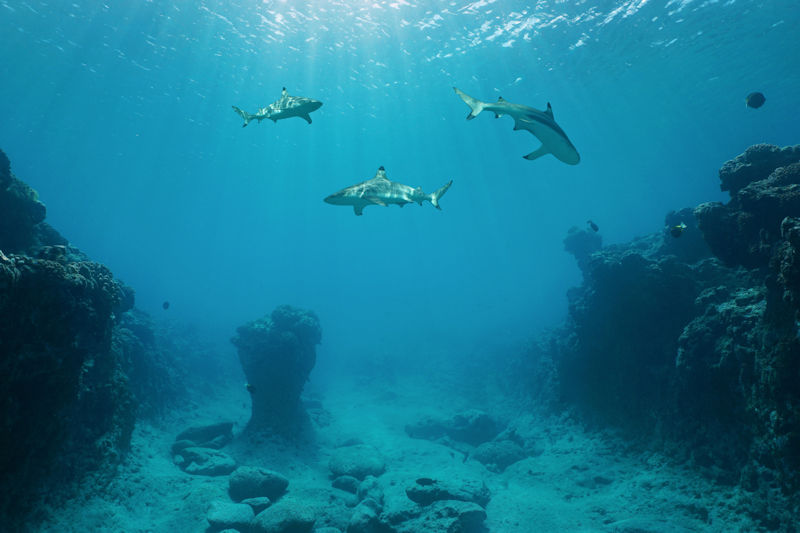
We all know the important role that water plays in balancing our environment. Ocean organisms are a key element in food chains and life cycles, and carbon is stored and absorbed below the waves. Monitoring the condition of our rivers, lakes, seas and oceans is a vital way of collecting data on the overall health of the planet. And computer vision is helping.
Monitoring our oceans
Carbon cycling is a critical function of our oceans and monitoring the abyssal seafloor for levels of carbon has traditionally required static instruments being deployed for short periods of time, as extreme pressures, low temperatures and corrosive sea water have made more innovative technologies impossible. However, The Monterey Bay Aquarium Research Institute (MBARI) has overcome these challenges to create Benthic Rover II, an autonomous robot able to explore 4,000 meters (13,100 feet) below the surface of the ocean. The robot, which is about the same size as a small car, has been developed to operate for up to a year using a low-power supply.
Imaging plays a vital role in the process and cameras on the rover photograph the seafloor to measure fluorescence. The glow of chlorophyll under blue light reveals how much “fresh” phytoplankton and other plant debris is present. The autonomous rover moves around the sea floor, avoiding crossing its own tracks or surveying the same area twice. Benthic Rover II will help scientists understand how much and which sources of carbon are being stored deep below the waves. The rover has been operating at a test bed in California for the past seven years and has indicated a large increase in the volume of phytoplankton passing through the water column, giving a much more in-depth picture of changes and trends over long periods than traditional methods would have been able to.
Watching waste
Moving from the bottom of the ocean to the upper atmosphere, researchers from the German Research Centre for Geosciences have been able to use satellite imagery to detect plastics floating in the ocean. Multispectral satellites within the PlanetScope constellation enable hyperspectral data to be collected and analyzed. Images within the shortwave infrared (SWIR) spectrum have proven best for identifying plastic amongst the water, and ocean current models are used to predict the movement of the debris. This IMVE article also reports on other similar projects, some infield and some lab-based, which use hyperspectral imaging and polarization to increase our depth of understanding of plastic marine litter. It’s also expected that this research will contribute to better industrial recycling of wet or dirty plastic, and to distinguish between the many different types of plastics currently thrown away.
Safeguarding homes
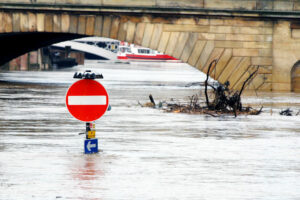
Local authorities across Europe have invested in networked cameras to monitor the depth and discharge of rivers. Projects such as that installed by the Environment Agency in the West Midlands, UK and authorities in Métropole Toulon Provence Méditerranée, France, are allowing supervisors to observe the flow and depth of local rivers. Alerts are sent to residents – in the UK case study these are via the camera’s Twitter account – so that action can be taken if river levels are rising dangerously high or fast. It’s hoped that such data will contribute to improved flood prevention plans and reduced risk to human life in times of flooding.
Watching the waves
Computer vision is supporting research and influencing planning in many marine and water-based environmental projects. Our high-speed, highly-reliable and robust vision components are ideal for industrial and educational applications and can accurately capture image data and deliver insights for a wide range of missions. Get in touch to hear more.